

The principality of Andorra may be small in size but its cultural identity is rich, diverse and steeped in centuries of history. From lively festivals to its distinct language and cuisine, Andorra culture offers a fascinating blend of old and new, shaped by its geography and unique political status.
If you’re planning a holiday in Andorra for the near future, whether a skiing trip or a relaxing summer escape, you’ll surely want to take the time to learn about some of the Andorra culture and traditions before you arrive. By reading through this guide, you’ll learn several useful facts about Andorra and gain a deeper appreciation and fascination for this remarkable microstate.
Overview of Andorran culture and traditions
 andorra culture
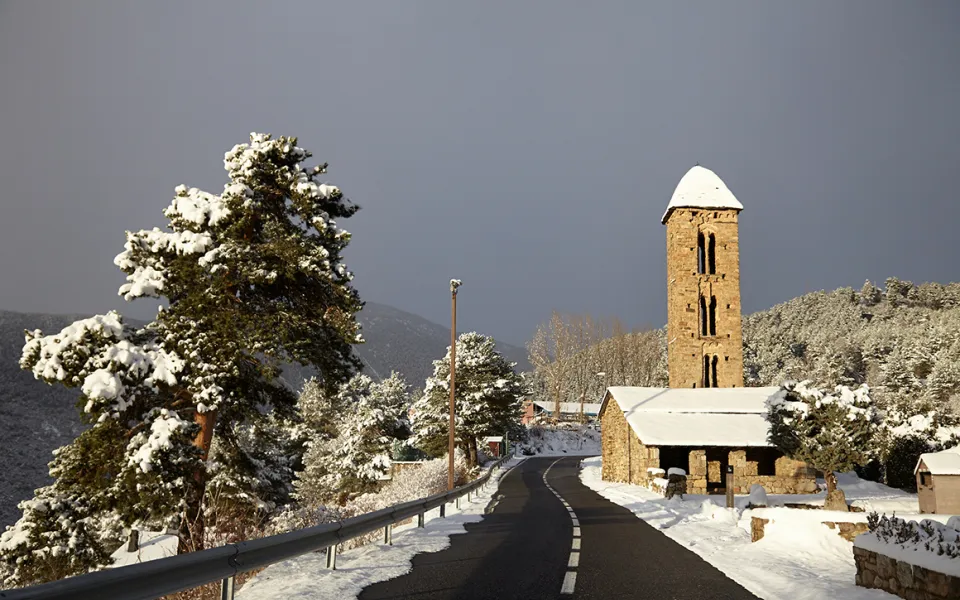
So, what is Andorra best known for? Well, it’s probably the skiing. Andorra boasts some of the very best ski slopes in the Pyrenees Mountain Range, including the resorts that combine to make up Grandvalira Resorts Andorra. This is the largest and most modern skiable area in the Pyrenees, with a total of 308 km of slopes, so it’s logically one of the leading attractions of the microstate. The ski industry draws visitors from all over Europe and beyond, thanks to reliable snowfall, excellent facilities and a lively après-ski scene. Whether you’re a seasoned skier or a first-time visitor, the snowy landscapes of Andorra leave a lasting impression.
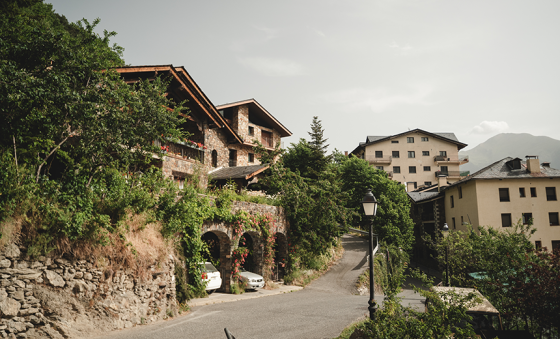
However, beyond the ski slopes, Andorra is also known for its unique history and political status. Located in the heart of Europe, it is not actually a member of the European Union. This has allowed the country to maintain a certain level of independence and identity that is quite rare. Partly because of its geographic and political separation, Andorra has preserved many customs and ways of life that are uniquely its own. These include traditional crafts, folk dances and community-centric events that echo the rhythms of rural mountain life. These traditions are still celebrated and valued by the population today, forming a key part of the national identity.
At the same time, the Andorra culture and traditions do showcase the harmonious mix of influences from its two neighbours: Spain on one side and France on the other. For example, Catalan is the official language in Andorra, while Castilian Spanish and French are very common too. This multilingual environment adds another layer to Andorra’s rich cultural tapestry and offers visitors a glimpse into the blending of regional heritages that characterise daily life in the principality.
Local festivals and celebrations
Festivals are one of the best ways to experience Andorra culture firsthand. There are several vibrant celebrations which take place throughout the year and these often include music, dance, parades, and traditional dress. If you’re visiting Andorra during the time of one of the country’s festivals, you’ll be treated to an unforgettable experience.
Several of the country’s most popular festivals take place in the summer, proving that there really are so many summer activities in Andorra. For example, there is the Day of Saint Joan, on June 24th, which is celebrated around the summer solstice with bonfires and fireworks. And, perhaps Andorra’s most important national celebration takes place on September 8th, on Our Lady of Meritxell Day, a day dedicated to the country’s patron saint.
Language, music and cuisine
As mentioned above, the official language of Andorra is Catalan, making it the only country in the world where the sole official language is Catalan. It isn’t just symbolic, far from it, as Catalan is used on signage, in government settings and it is taught and used in schools. That said, Spanish, French, Portuguese and English are all commonly spoken too.
As for music in Andorra, it spans both traditional and modern styles. Folk tunes are commonly heard during festivals, but the country also hosts international music events year-round and some of the most popular DJs in the world visit Andorra’s ski resorts for après-ski parties in the winter.
When it comes to Andorra culture food, the cuisine reflects its mountain heritage and neighbouring influences. Hearty dishes like escudella (meat and vegetable stew) or trinxat (cabbage and potato mash with pork) highlight the rustic and satisfying flavours of Andorra culture and traditions. Locally produced cheese, cured meats and mountain herbs also feature prominently in daily meals, all making for a unique flavour at traditional Andorra restaurants.
Museums and cultural centres to visit
Andorra also has many museums. In fact, the microstate has 25 total museums, making it one of the countries with the most museums per capita in the entire world. So, there are plenty of centres where you can stop off to learn a little more about the Andorra culture and history, especially if there is a rainy day during your stay.
There are many beautiful churches too. With Roman Catholicism the clear answer to the question of “What is the main religion in Andorra?”, and with this long having been the case, there are churches in all corners of the country, and some of them are absolutely stunning.
So, there you have it. There really is a lot of culture packed into this principality, one of Europe’s smallest states. Visit Andorra, and you’ll have no shortage of historical and cultural sites to visit.